What is a Geotechnical Engineer?
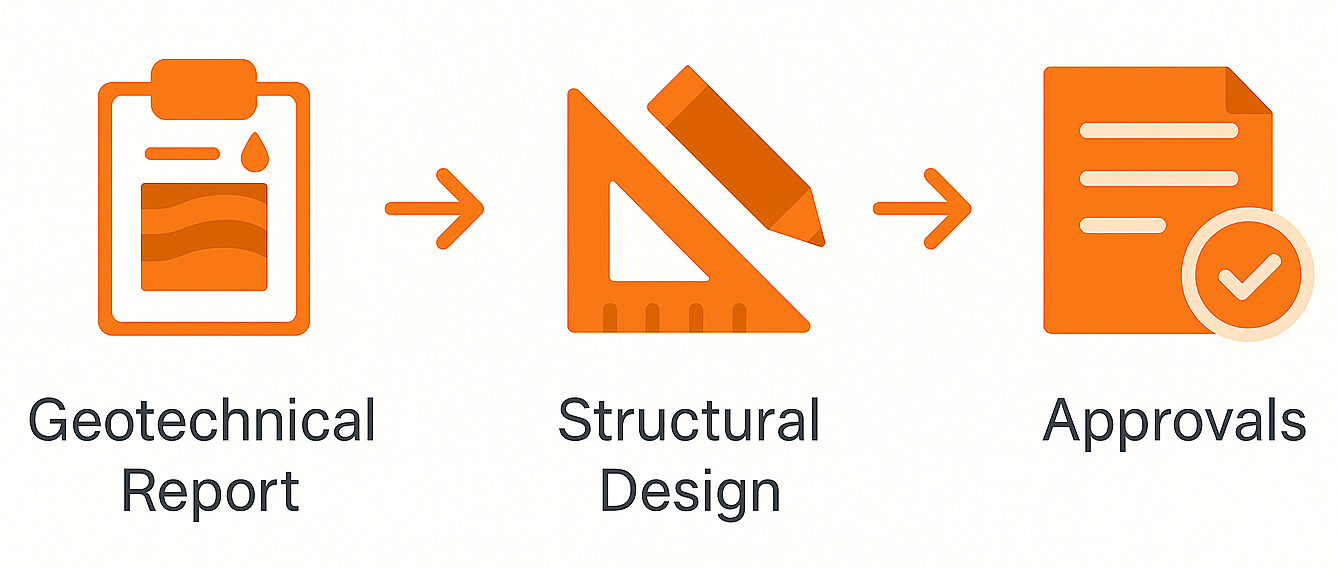
A Geotechnical Engineer assesses the physical properties of your building site, including soil type, bearing capacity, slope stability, and groundwater conditions. Their Geotechnical Report (sometimes called a Soil Report) provides essential data for the structural engineer to design your slab, footings, or piers correctly.
This report is typically needed before slab design and construction certification, especially for new builds, knockdown-rebuilds, or major extensions.
What does a Geotechnical Engineer do?
Your Geotechnical Engineer will complete works according to your agreed scope of works.
Typically, they will:
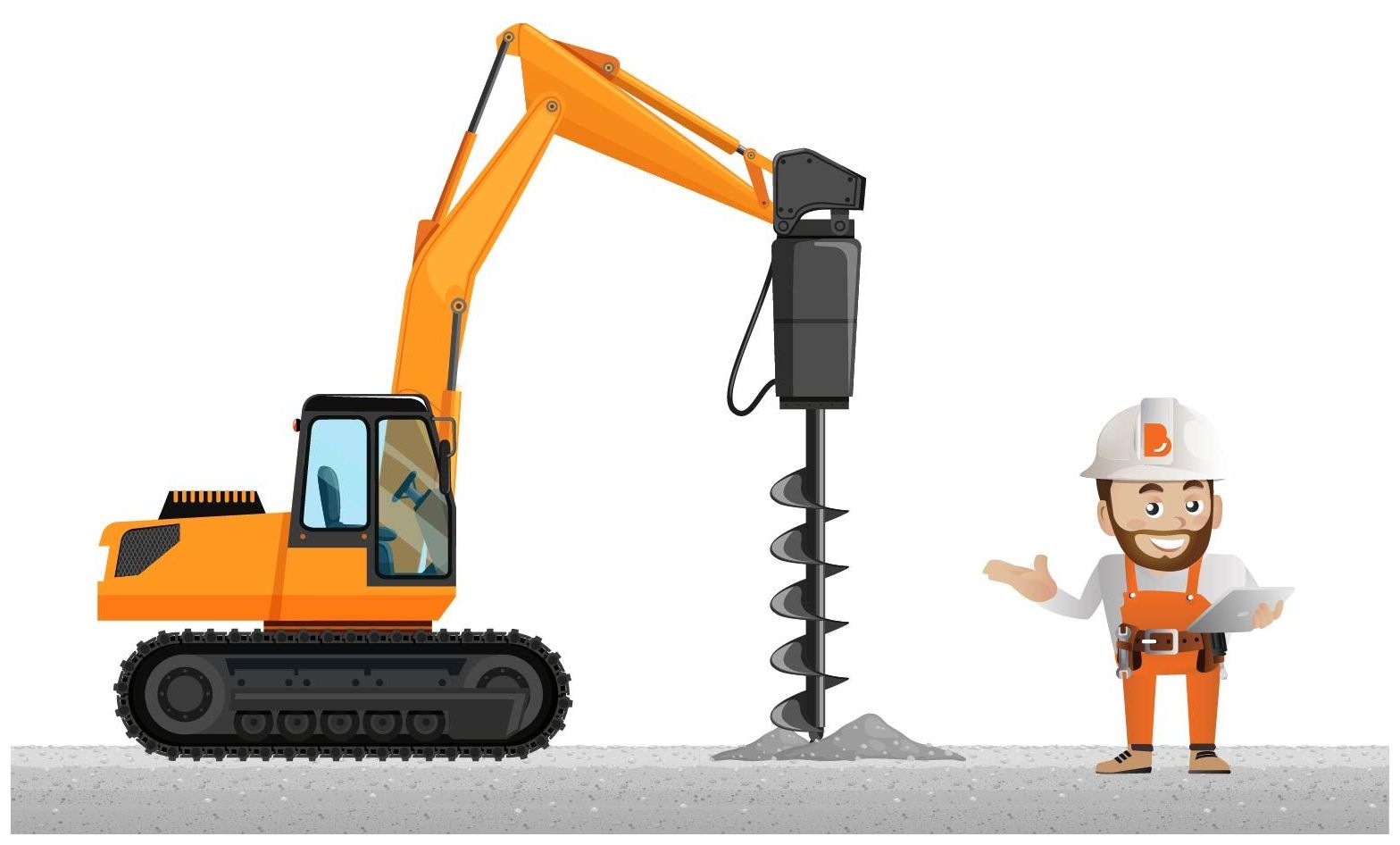
- Conduct site inspections and soil sampling via boreholes or test pits
- Perform laboratory testing on soil samples (e.g., shrink-swell, compaction)
- Classify the site according to Australian Standards (e.g., Class A, M, H1, H2, E)
- Provide recommendations for slab type, footing depth, and pier requirements
- Issue a formal Geotechnical Report for your builder, certifier, and structural engineer
They may also advise on groundwater management, slope stabilisation, or fill requirements if needed.
Barry's Toolbox
Get your Geotechnical Report done before you engage your structural engineer — slab and pier designs are based on real soil conditions, not guesswork.
If you’re on a sloping or clay-rich block, allow extra time — you may need deeper foundations or retaining walls.
What to look for in a Geotechnical Engineer
When reviewing quotes, look for:
- Experience with residential construction and AS 2870 (Residential Slabs and Footings)
- Inclusions for site inspection, borehole sampling, lab testing, and full reporting
- Timeline for booking, testing, and report delivery
- Clear indication of how many boreholes or tests are included
- Registration or affiliation with engineering bodies (e.g., EA, RPEQ)
Suppliers with flexible scheduling for site inspections can help speed up your overall project timeline.
Before You Begin: What You’ll Need Ready
To get quotes from Geotechnical Engineers, you’ll need:
- Site address and lot details
- Proposed building footprint or preliminary plans
- Site access instructions (especially for drilling rigs)
- Any previous reports or site history if available
- Target timeline for when you need the report issued
Average Timeframe
For this task, Pros typically provide quotes within
3-5 business
days.
When Can I Expect Quotes?
Timeframes often vary based on demand and the type of Pro you're engaging (e.g. a plumber). If additional communication or clarification is needed is needed, the quoting process may take longer.
Don't be alarmed if you don't receive quotes or communication from any Build Buddy Pros straight away. Some work is more complex and the Pro may need time to comprehend your documents or scope of work. Depending on the job, there may even be some work required by the Pro before they are able to quote (e.g. a site visit might be required).
If the average timeframe indicated here has passed, and you have not received any messages or quotes, please feel free to contact the Build Buddy Expert Guidance and Support team for an update on quoting for this task.
Frequently Asked Questions
Is a Geotechnical Report mandatory?
Yes — almost all certifiers and engineers require one for slab design and DA/CDC approval.
How deep do the boreholes go?
Typically 1.5m–2.5m, depending on the local council’s rules and the type of foundations proposed.
Can I use an old Geotechnical Report?
Only if it’s recent (usually less than 5 years old) and the site conditions haven’t changed (no major fill, cuts, or nearby developments).
How to Complete this Task?

STEP 1
Review and Adjust the Scope of Works
Timeframes may vary based on demand and the type of Pro you're engaging (e.g., a plumber). If additional communication or clarification is needed, the quoting process may take longer.

STEP 2
Confirm Required Documents Are Uploaded
Check that the following required document(s) are uploaded for this task. These are essential to proceed:

STEP 3
Update the Quality Assurance Checklist
Go to the
Quality Assurance tab in this task and review the checklist. Edit any details to suit your project requirements. Being clear and upfront helps set expectations with the Pro. Updating the checklist before requesting quotes ensures everyone is aligned.

STEP 4
Request Quotes
Click the
orange ‘Request Quotes’ button to start the quoting process.

STEP 5
Review the Quotes
Once you receive quotes:
- Review each one carefully, including the payment schedule and any special terms
- Download attached quote documents for detailed review
- Check each Pro’s profile and read past client reviews

STEP 6
Communicate with the Pro
If needed, message or call the Pro to clarify details or negotiate terms.

STEP 7
Accept a Quote
Choose the quote that best suits your needs. Once you accept a quote, any other pending quotes will be automatically declined. An agreement will automatically be generated.

STEP 8
Complete the Tasks In Your App
New tasks will appear to guide you through this job — follow each step carefully. Make sure to use the
Quality Assurance Checklist, and refer to your
contract and
final Scope of Works whenever needed.
NEED HELP?
Reach Out to Your Build Buddy Pro
If you have any questions or need a hand, your Build Buddy Pro is your best first contact. They’re a licensed expert in their field and can understand the ins and outs of your project. You can message them via the platform, or you can call them directly.
If you have already contacted your Build Buddy Pro and still need further assistance, the Build Buddy Expert Guidance and Support team are here to help. They will be able to guide you on your next steps or help you find answers to any questions you may have.