What is a Planning Permit?
A Planning Permit is written permission from your local council that allows you to use or develop land in a certain way. It assesses how the land will be used, not just how the building will be constructed. You may need one for:
- Building a new dwelling
- Altering or extending an existing home
- Subdividing land
- Demolishing structures in a Heritage Overlay

Why is this Needed?
Obtaining an LPOD ensures that your stormwater drains safely, legally, and without impacting neighbouring properties or public infrastructure. It’s a critical document for your stormwater engineer or hydraulic designer and is often required before your drainage plans can be finalised or approved.
How it Works
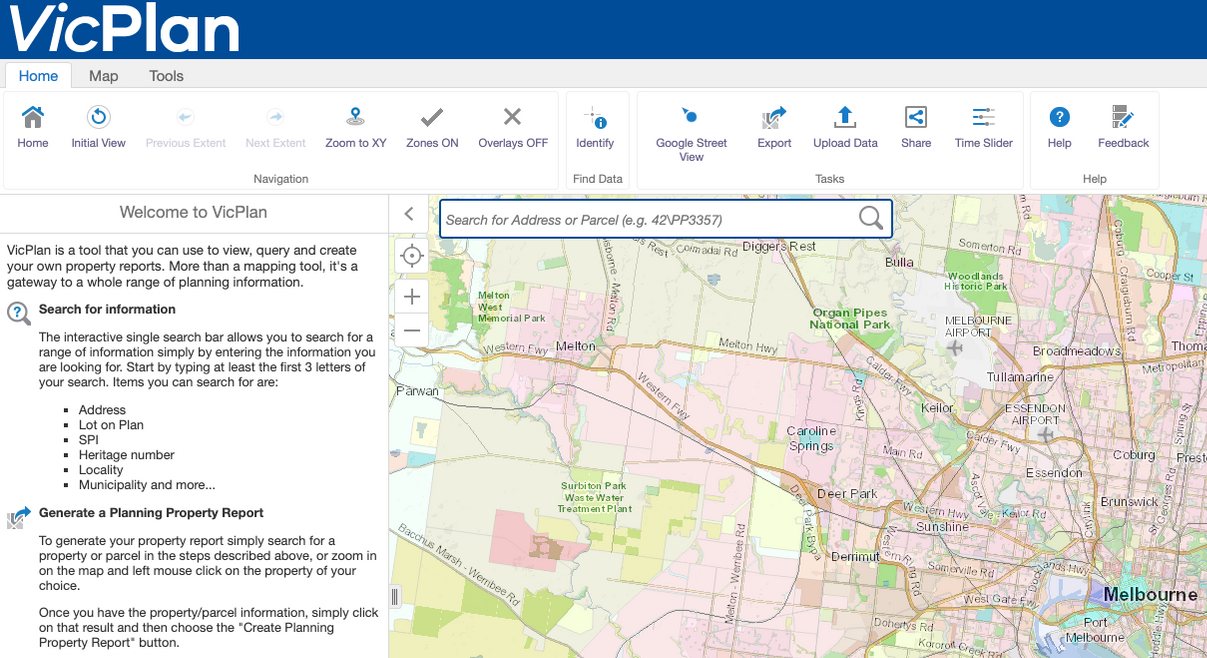
1. Use the VicPlan tool to view your property’s zoning and overlays: https://mapshare.vic.gov.au/vicplan
- Enter your property address
- Click “Planning Property Report”
- Download the PDF and check:
- Zoning (e.g. General Residential Zone)
- Overlays (e.g. Heritage Overlay, Environmental Significance)
If the property falls under certain overlays or if the development doesn’t comply with zoning rules (ResCode), a permit will be required.
2. Consult your council’s planning department. Visit your local council’s website or contact their planning team directly to confirm:
- Whether a permit is needed
- What supporting documents are required
- Timeframes and fees
3. Prepare your application. You’ll typically need:
- A completed Planning Permit Application Form
- Title documents
- Site plan, floor plans, elevations
- A written report/justification (explaining how the project meets planning objectives)
- Neighbourhood context plan (sometimes required)
- Fees (these vary by council and development type)
4. Lodge the application. You can usually submit online via the council's planning portal or by email/post.
5. Council assessment:
- Council reviews the application
- May request further information (RFI)
- If required, advertises the proposal (e.g. signs, letters to neighbours)
- Assesses feedback/objections
6. Council decision:
- If approved, you’ll receive a Planning Permit with attached conditions
- If refused, you may appeal to VCAT

Once Received
Once you've received your Planning Permit, upload it to the Document Library and then click the
orange “Mark Complete” button to move to the next step in your construction workflow.